Asphalt Crack Repair: What You Need to Know
Kentucky weather is tough on asphalt. Between hot summers, heavy rain, freezing temperatures, and the occasional snow or ice, your driveway or parking lot endures a lot in a year. Cracks are among the first signs that your asphalt needs attention, and leaving them untreated can turn a small repair into a much bigger project.
Tates Creek Paving provides repairs and asphalt crack filling near Lexington, KY, and in neighboring communities for homes and commercial lots alike. We created this guide to help you recognize three common types of cracks and understand why asphalt crack repair before winter is important.
Alligator Cracks: A Sign You May Need Asphalt Patching and Repair
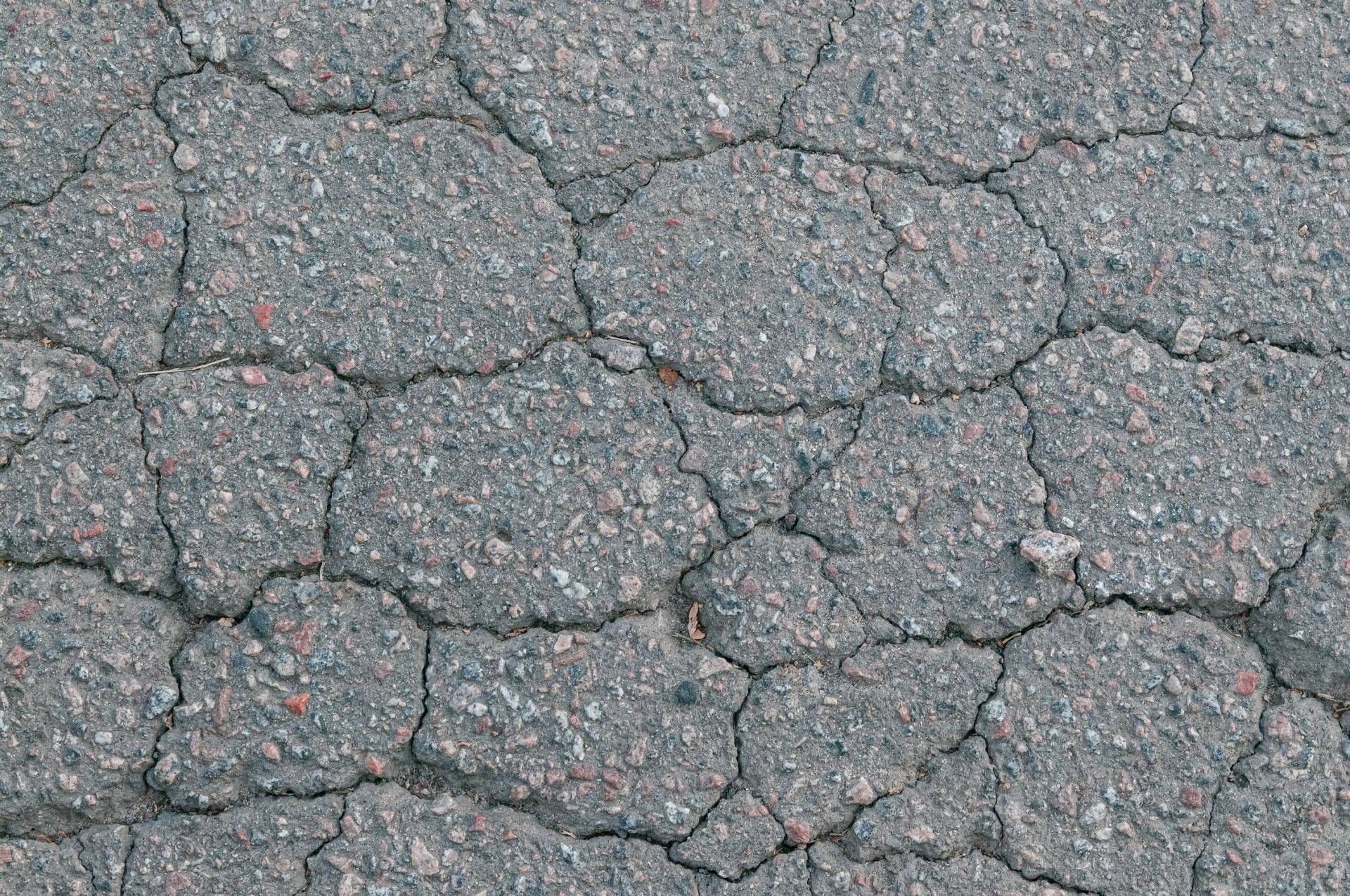
Alligator cracks get their name from their resemblance to alligator skin. They usually appear as a series of interconnected cracks and can develop when the asphalt or the base beneath it weakens. Heavy traffic, poor drainage, and an unstable base can all cause this type of damage.
On a residential driveway, alligator cracks may indicate an aging surface or a drainage issue. In a commercial parking lot, heavy vehicle traffic can make the problem worse. If you notice this pattern, our team can determine whether crack filling is sufficient or whether the damaged area requires more extensive work.
Here’s what to look for:
- Interconnected cracks that create small, irregular sections.
- Areas that feel soft or unstable under vehicle traffic.
- Pooling water or other drainage problems nearby.
Block Cracks and Asphalt Crack Filling
Block cracks appear as large squares or rectangles across the asphalt. They often develop as the asphalt surface shrinks over time, especially after years of exposure to Kentucky’s changing temperatures. You might spot them on an older residential driveway or throughout a commercial parking area. Addressing these cracks early with asphalt crack filling can help prevent moisture from penetrating deeper into the pavement.
Pay attention to:
- Large cracks that form roughly square or rectangular shapes.
- Cracks that appear even in areas with little traffic.
- Cracks that widen or spread over time.
Edge Cracks and Asphalt Driveway Repairs
Edge cracks typically develop along the outer edges of a driveway or parking lot. Poor drainage, weak support near the pavement edge, nearby vegetation, and asphalt shrinkage can all cause them. Residential driveways can develop edge cracks when water collects along the sides.
Similar problems can also occur on commercial properties, particularly around parking lot edges, curbs, and areas with inadequate drainage. Our team can recommend the appropriate asphalt patching and repair approach based on the extent of the damage.
Be on the lookout for:
- Cracks, crumbling, or loose material along pavement edges.
- Water collecting near the edges.
- Vegetation growing against or through the pavement.
Why You Should Repair Asphalt Cracks Before Winter
No matter what type of crack your asphalt has, addressing it before winter is important because water can seep into cracks, freeze and expand, then thaw and seep deeper into the pavement.
Repeated freezing and thawing can gradually widen cracks and weaken the surrounding asphalt. Scheduling asphalt crack repair near Lexington, KY, before winter can help property owners avoid more significant damage later.
Asphalt Crack Repair Near Lexington, KY
At Tates Creek Paving, we are proud to be your local source for asphalt projects. Whether you need to repair a small crack or want to know when the best time to pave asphalt is, our team is here to help.
Be sure to contact us today to get started on your asphalt driveway repairs.We’re based in Lexington, Kentucky, and proudly serve Lexington and the surrounding area, including Richmond, Paris, Versailles, Nicholasville, and Georgetown, Kentucky.